- Home
- /
- Sundial Encyclopaedia
- /
- Julian Lush
Julian Lush
December 2021
Page 25
Page 25
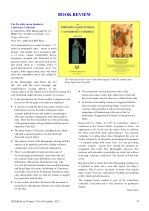
Review of John Davis's Monograph No. 14, The Portable Saxon Sundial at Canterbury Cathedral. The monograph comprehensively covers the unique, small silver-and-gold Saxon portable dial, including its materials analysis, historical links to figures like King Edgar, and the ongoing debate regarding the exact method required for suspending and reading the gnomon.
Book Reviews, Dials: Portable, Historical Dials
September 2019
Page 10
Page 10
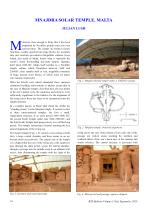
The article discusses the Neolithic Mnajdra temple complex in Malta, which flourished between 3600 and 2500 BC. The structure incorporates features marking key points in the sun’s annual cycle, aligning the rising sun at the equinoxes and solstices. This precision suggests Mnajdra may be the earliest known structure marking all four significant points in the solar cycle.
Historical Dials, How Sundials Work
September 2008
Page 148
Page 148
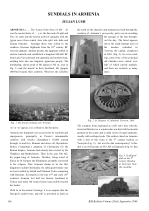
Julian Lush explores the prevalence of sundials in Armenia, linking their abundance to the nation's ancient veneration of the sun deity 'Ar.' He describes the common 'shell' or 'scallop' dial form found on 5th-13th century churches and monasteries, noting unique Armenian alphanumeric hour numbering and the enduring sun disc emblem on khachkars.
Dials: Vertical, Dials: Unusual, Historical Dials